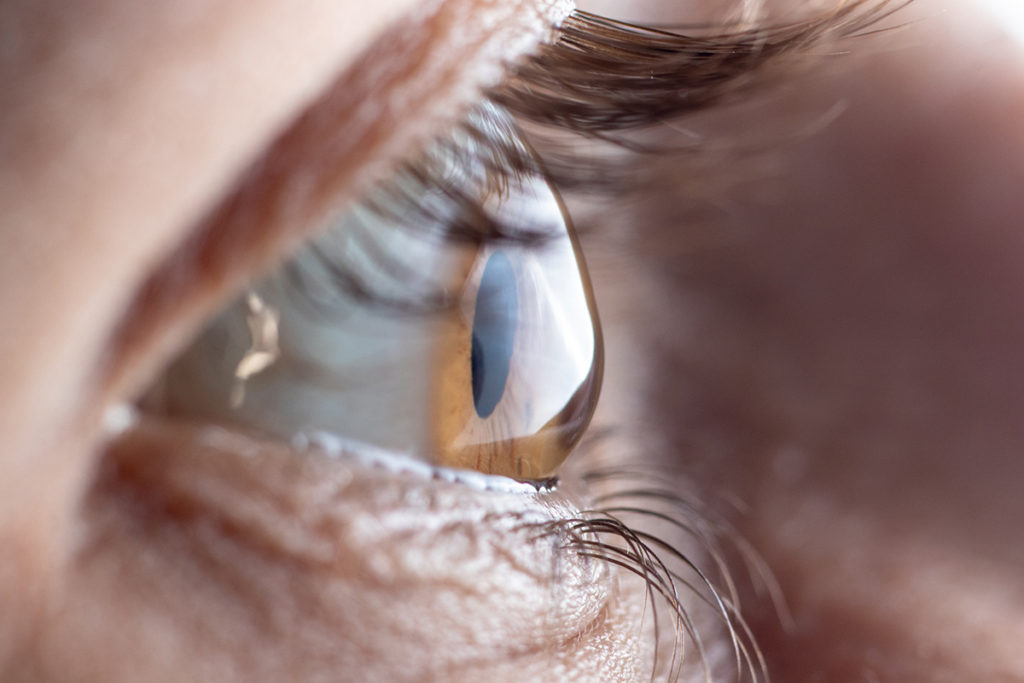
Keratoconus can be a scary diagnosis for a teenager, but you may also welcome it after struggling to understand what’s causing your vision changes. This eye condition is genetic, and you may have other family members who can help guide you through treatments and living with keratoconus. Our ophthalmologist can help you manage keratoconus with corneal cross-linking that slows or halts the disease progression.
Winter affects your body in many ways. The frigid temperatures and dry air coupled with the heat inside our homes and offices often lead to dry eyes. For those who already experience moderate to severe dry eye symptoms, winter can be a miserable experience. Our ophthalmologist offers several treatments to ease dry eye disease and has a few tips on reducing symptoms in the winter.
Good eyesight is a gift many people don’t acknowledge until they reach the age when their vision starts to fail. Most Canadians will experience one of the four primary eye diseases that cause blindness in their life. Cataracts, diabetic retinopathy, glaucoma and age-related macular degeneration are leading causes of vision loss.
Some of these eye problems are highly treatable, while others cause permanent damage and require management to avoid further loss of eyesight. Regular eye exams with Dr. Raymond Stein and the doctors at Bochner Eye Institute are the best way to fight vision loss.
Traveling can be a fun and exciting experience. But when you’re away from your normal routine, it’s easy to neglect taking care of your health. Proper eye care is one important thing that many people forget about during their travels.
We have a few suggestions that will help you keep your eyes healthy while you travel.
Get Your Eyes Checked
Getting an annual eye exam is important whether you are traveling or not — but it’s especially important to get your family’s eyes checked out before a long trip so that you can be sure that everyone is beginning the journey with healthy eyes and updated prescriptions.
Protect Your Eyes From the Sun
Remember to protect your eyes from the sun’s harmful rays. Wear UV-rated sunglasses that provide 100 percent UV or UV400 protection along with a hat to protect your eyes. Even if the sky is cloudy, the sun’s rays can pass through and damage your eyes. According to the American Academy of Ophthalmology, overexposure to the sun can lead to cataracts, eye cancers and other eye diseases.
Stay Hydrated
Many people experience dry eyes when they travel. Being on airplanes, long travel days and changes in climate can all result in dry, irritated eyes. Prevent this from happening by drinking plenty of water. Aim for seven to eight glasses a day. You should also limit your caffeine intake and eat water-rich foods such as watermelon, oranges and grapes. You can replenish lost moisture in your eyes with lubricating eye drops.
Come Prepared
Always bring a backup pair of eyeglasses and extra pairs of contact lenses when you travel. Losing your glasses or ripping a contact lens when you are away from home can be extremely frustrating. Don’t waste your precious vacation time in a doctor’s office trying to get a replacement prescription when you could have easily brought a backup! If you wear contacts, remember to bring a lens case and enough cleaning solution. Remember to never clean your contacts with water — it is not sterile!
Don’t Ignore Changes in Vision
If you are experiencing changes in your vision, see a local ophthalmologist immediately. Things like floaters, flashes and blurred vision can be a sign of a serious condition, such as a retinal detachment, diabetes or even a stroke. Waiting to be treated until you get home from your trip can make such problems much worse. Go to a local eye care center as soon as possible and get your vision checked.
If you’re looking for a premier Toronto area ophthalmologist, schedule an appointment with Dr. Raymond Stein by calling or emailing Bochner Eye Institute today.
Posted inEye Health|Comments Off on Eye Care Tips When Traveling
Raymond Stein is honored to receive the Statesmanship Award, the highest award from the International Joint Commission on Allied Health Personnel in Ophthalmology (IJCAHPO). Established in 1975, the Statesmanship Award recognizes those who demonstrate leadership and commitment to education in ophthalmology and allied ophthalmic personnel. The Statesmanship Award will be formally presented to Dr. Stein at the annual meeting of the American Academy of Ophthalmology in November.
We are pleased to announce that the Bochner Eye Institute is offering virtual surgical consultations via videoconferencing or phone. All of these consultations are complimentary.
At a time when there is concern about the risk of transmission of the coronavirus, we are committed to patient, staff, and doctor safety by minimizing office time for patients.
Refractive Lens Exchange replaces the crystalline lens of the eye with an intraocular lens. This procedure is recommended over laser eye surgery when patients desire improvements in distance and reading vision, have early cataracts or have a high degree of nearsightedness or farsightedness.
Posted inUncategorized|Comments Off on Active Lifestyle Refractive Lens Replacement Toronto
The COVID 19 pandemic has forever changed the way we practice ophthalmology and optometry. This pandemic has impacted everyone in some way. Life as we know it, particularly for doctors, will never be the same. All of the essential service workers, doctors and nurses, and pharmacists on the frontline taking care of our friends and loved ones are modern day superheroes. Continue reading →
Posted inUncategorized|Comments Off on The Facts About COVID-19 and Reopening Practice
Getting LASIK is an important decision. The procedure offers several advantages, including near-immediate results and the convenience of no longer relying on glasses or contacts. Not everyone is a good candidate for LASIK, however.
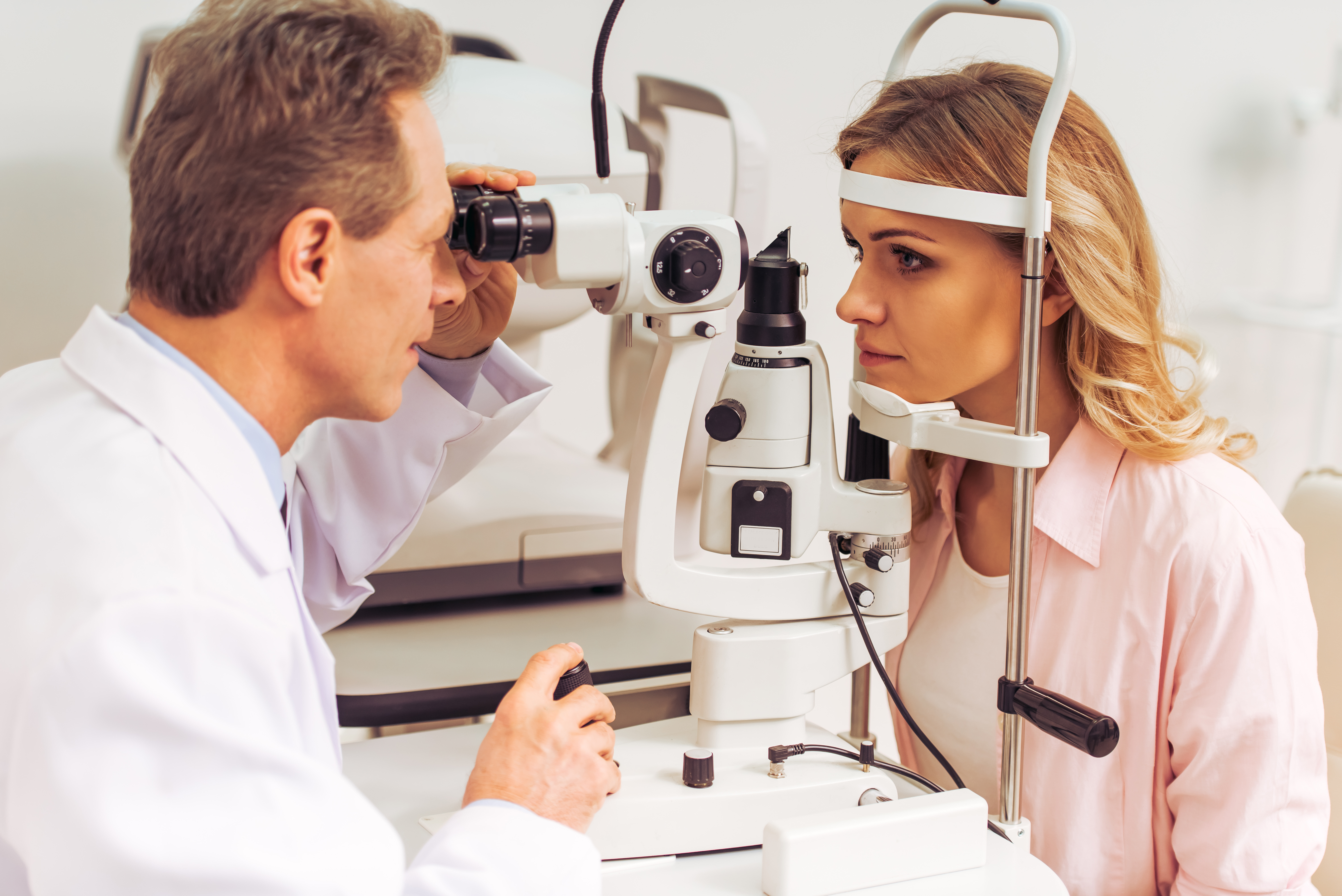
If you’re considering getting LASIK, the first steps are to have a comprehensive eye exam and speak to an experienced LASIK surgeon to see if you qualify.
The exam and consultation can be performed separately or together. They can even be performed on the same day as the surgery and take roughly two to three hours to complete.